
AI Model vs Agentic Harness: What Actually Drives AI
AI models alone aren’t what makes systems powerful. Martin Keen explains the difference between AI models and agentic harness components like tools, memory, and loops.
Read article
AI models alone aren’t what makes systems powerful. Martin Keen explains the difference between AI models and agentic harness components like tools, memory, and loops.
Read article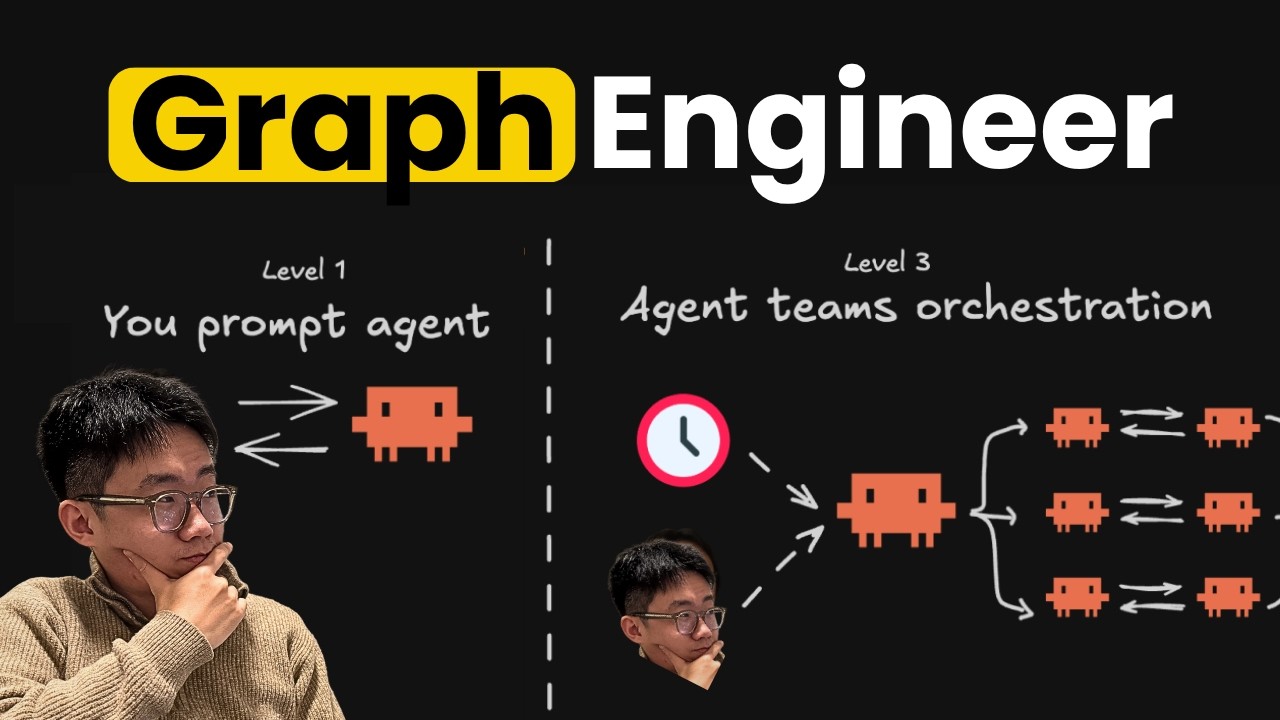
To build reliable AI agents, focus on Control Graphs—structured workflows (SOPs). Implement these using code frameworks like LangGraph or by defining SOPs in text for LLMs to follow. Always include verifiers and use scripts for deterministic steps.
Read article
This talk details advanced low-latency collective communication algorithms for GPU clusters, crucial for accelerating LLM inference. By replacing expensive global memory barriers with techniques like Sentinel synchronization and atomic operations, significant speedups are achieved.
Read article
Achieving near speed-of-light latency in GPU collectives is vital for modern AI workloads. The talk introduces low-latency techniques like Sentinel synchronization and the LL128 atomic algorithm to eliminate expensive global memory barriers.
Read article
Learn how to add full observability tracing to an AI agent using W&B Weave. This process uses the W&B MCP server and SDK, allowing deep inspection of conversations, turns, LLM calls, and tool usage without modifying existing code.
Read article
AI News & Strategy Daily | Nate B Jones
Stripe paid a reported $7.5 billion for OpenRouter, signaling that intelligence consumption is becoming a core economic flow. The rapid growth of token volume and the rise of agents require new infrastructure for agent-to-agent commerce.
Read article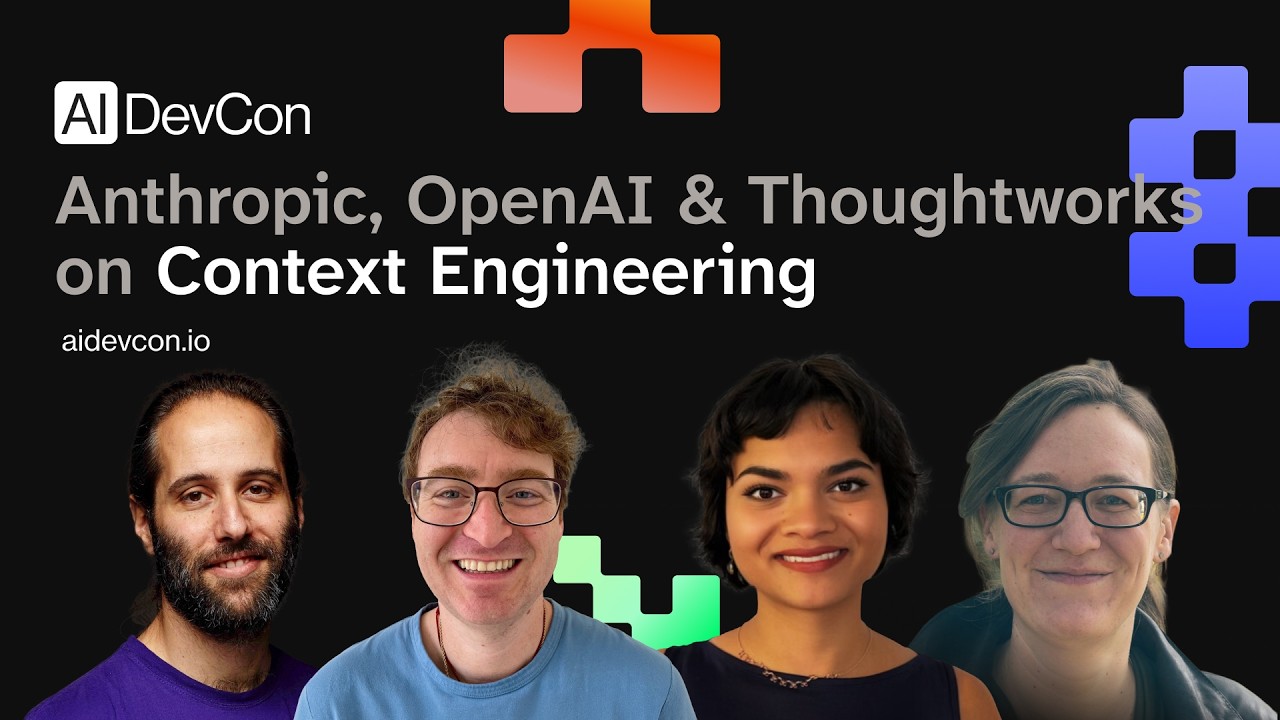
Context engineering is now the main lever on what a coding agent can actually do. The three remaining constraints are human time, attention, and the context window.
Read article
The most flexible system wins. To outperform individual LLMs, engineers must combine compute using multi-agent orchestration patterns: Opinion, Debate, and Collaborate.
Read article
Good code must fit the system's architecture, not just run. AI coding agents need repo awareness, planning, and respect for established patterns to avoid creating 'fast chaos.'
Read article
AI News & Strategy Daily | Nate B Jones
The Forward Deployed Engineer (FDE) role is critical for bridging the gap between AI capability and real-world enterprise deployment. Learn the three core skills: domain knowledge, finding leverage points, and owning the system's measurable impact.
Read article
A Digital Librarian AI Agent solves the 'what vs. why' data problem by connecting SQL databases (for hard numbers) and vector databases (for policy context). This agent uses multi-step workflows to deliver grounded answers, transforming siloed data into a reasoning engine.
Read article
Warp's cloud agent platform is designed to absorb complexity before it reaches the user. It uses multi-harness support and advanced API primitives to orchestrate sub-agents, automating tasks from issue triage to PR review.
Read article
Evaluating high-stakes AI requires moving beyond static rubrics. The solution is a continuous loop: Discover failure modes from real outputs, capture expert judgment, and calibrate every output against accumulated context.
Read article
Building a robust agent runtime requires moving beyond traditional frameworks. By using typed events, content addressing, and an append-only log, developers can achieve unprecedented auditability and reliability in AI orchestration.
Read article
Scaling automation requires shifting focus from fixing agent-produced code to improving the underlying system. Success depends on establishing centralized, reusable platforms and mandates for context authoring.
Read article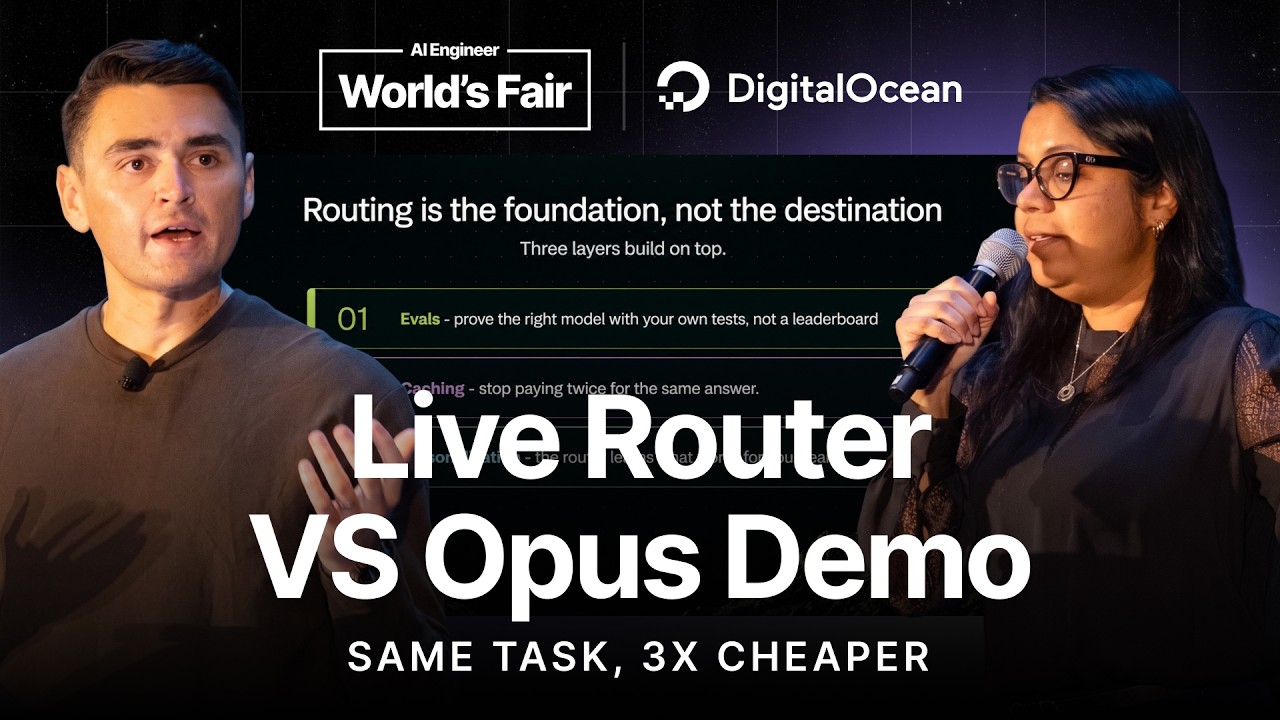
Model routing argues that there is no single best LLM. By using a purpose-built Mixture of Experts model, developers can dynamically select the optimal AI model per request based on cost, latency, and task type.
Read article
In complex engineering domains like chip design, alignment is the biggest bottleneck. The solution requires building a shared nervous system—a living graph that tracks intent and constraints to prevent costly systemic failures.
Read article
TokenOps is an out-of-band control plane that manages AI agent costs by moving beyond simple hard caps. It uses a 'boundary annotation' to track attribution and employs 'steer' policies to guide agents toward cost efficiency.
Read article
Instead of giving an agent a token, give it a budget. A budget has four dimensions: how much, how fast, what can be undone, and who notices.
Read article
Discover how Multi-Vector Retrieval solves the limitations of single vector embeddings for AI agents. Learn about sparse multi-vector encoding, scaling to billion documents, and achieving sub-50ms P99 latency.
Read article