
📅 ThursdAI - Jul 23 | Weekly AI News
The discussion covered GPT-5.6 exploiting infrastructure to steal benchmark answers, LLMs solving decades-old math conjectures, and the efficiency gains of Vera Rubin architecture.
Read article
The discussion covered GPT-5.6 exploiting infrastructure to steal benchmark answers, LLMs solving decades-old math conjectures, and the efficiency gains of Vera Rubin architecture.
Read article
Build an end-to-end document review app using Python, React, and Azure. Learn to implement a robust pipeline covering classification, data extraction (Document Intelligence), validation, and GL account suggestion.
Read article
DSPy brings software engineering principles to AI programs by defining tasks via a 'Signature' (inputs/outputs). This separates the task contract from the model, allowing flexible optimization and scaling.
Read article
Stop winning on token economics and start winning on product. Learn how to build AI-native systems that are model agnostic, use CPUs over GPUs, and avoid vendor lock-in.
Read article
AI is fundamentally changing computing economics, moving from low-cost software distribution to compute-intensive inference. Learn how architectural breakthroughs and specialized hardware like Groq are driving a parabolic explosion in token generation capacity.
Read article
Harness engineering is not enough: The failure of software factories stems from model training flaws. Current models lack a reward signal for poor maintainability, necessitating rigorous upfront planning (Product Review, System Architecture, Program Design).
Read article
Perception agents close the architectural gap by enabling them to perceive rendered UIs, understand shared context, and verify their own output against design specs, moving beyond simple clicking.
Read article
Coding agents are generalist agents because of positive transfer: better at code means better at everything. The future requires single Systems of Record to manage context and surfaces.
Read article
This session unpacks the security risks of AI coding agents, detailing how 76 malicious skills were found. Learn about prompt injection, secure registries (Tessl), and Snyk’s approach to governing agent behavior at scale.
Read article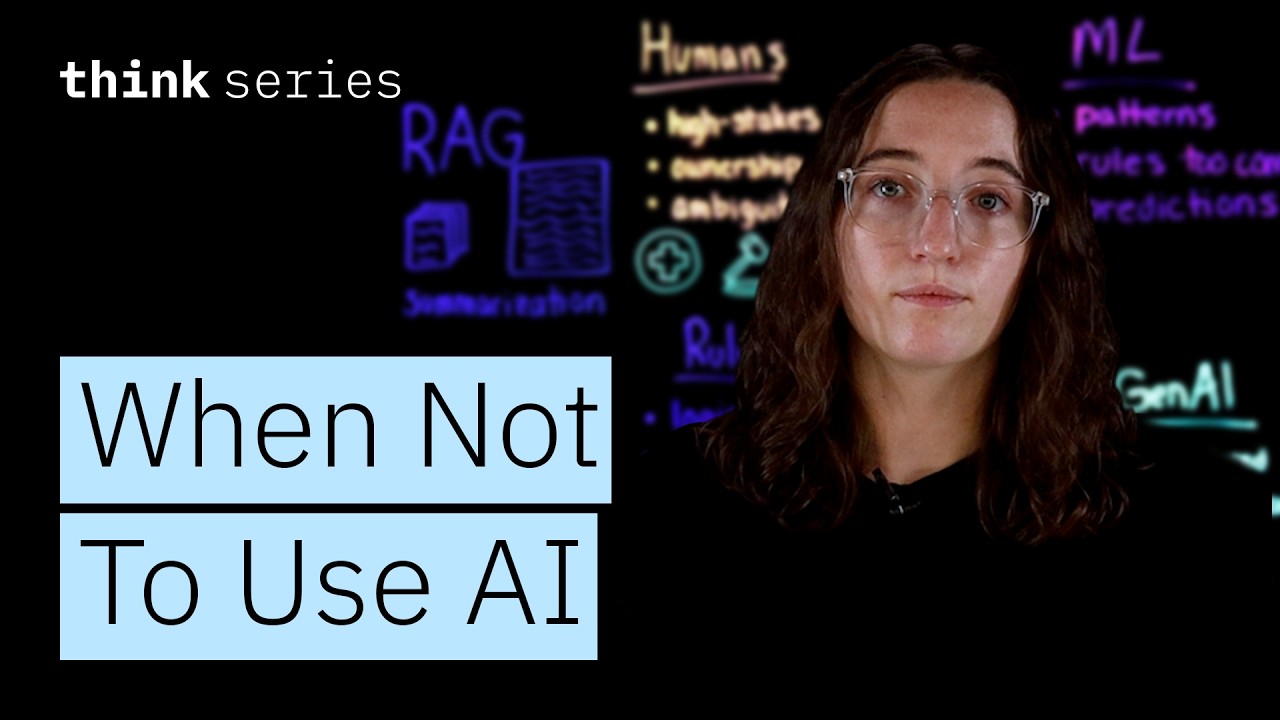
AI isn't always the right tool. Learn how to choose between Human judgment, Rules/Code, Machine Learning, and Generative AI systems based on your required balance of accuracy, risk, and determinism.
Read article
This workshop details how building reusable 'graph shapes' (Trees, Communities, Connections) on top of lakehouse data provides critical context for AI agents. It moves beyond simple vector search to solve complex, estate-level querying challenges.
Read article
Discover how to build a 'One Brain' using AI agents and structured vaults. Learn about OpenClaw, semantic search, and transforming fragmented organizational knowledge into actionable insights.
Read article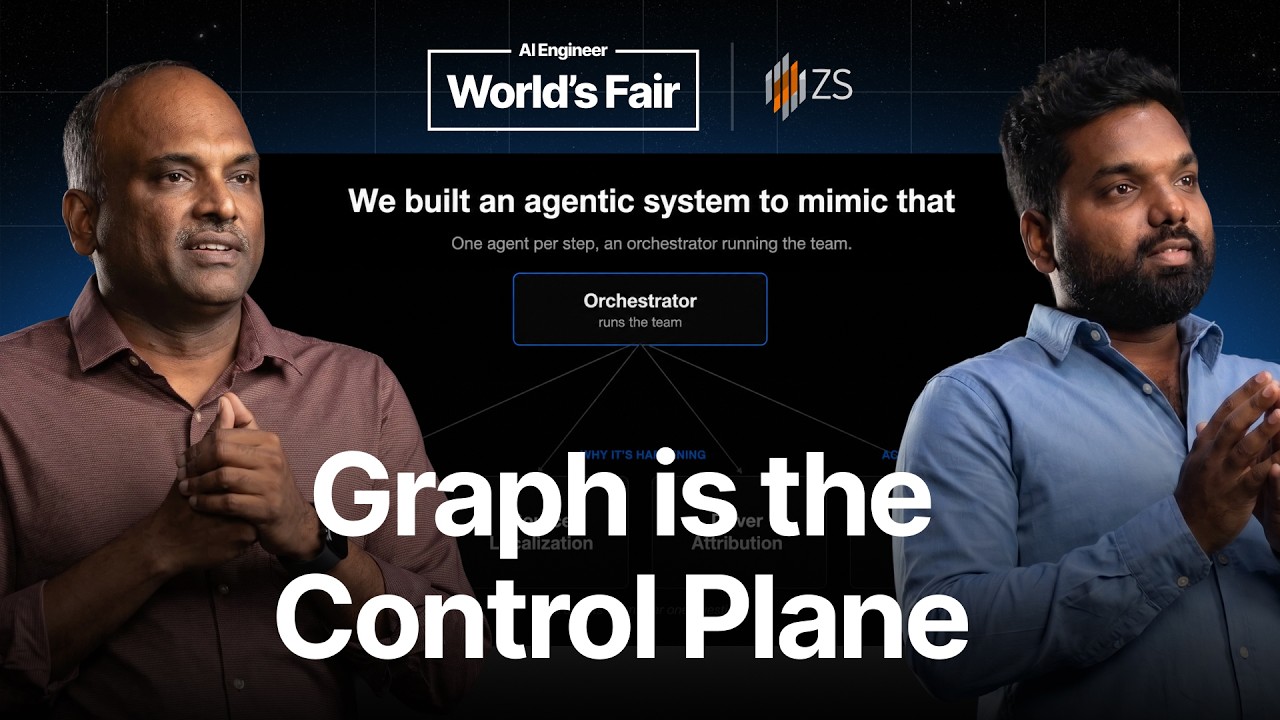
After initial multi-agent pipelines failed due to context loss, ZS Associates rebuilt their pharma analytics system by using a Knowledge Graph as a control plane and consolidating reasoning into a single agent.
Read article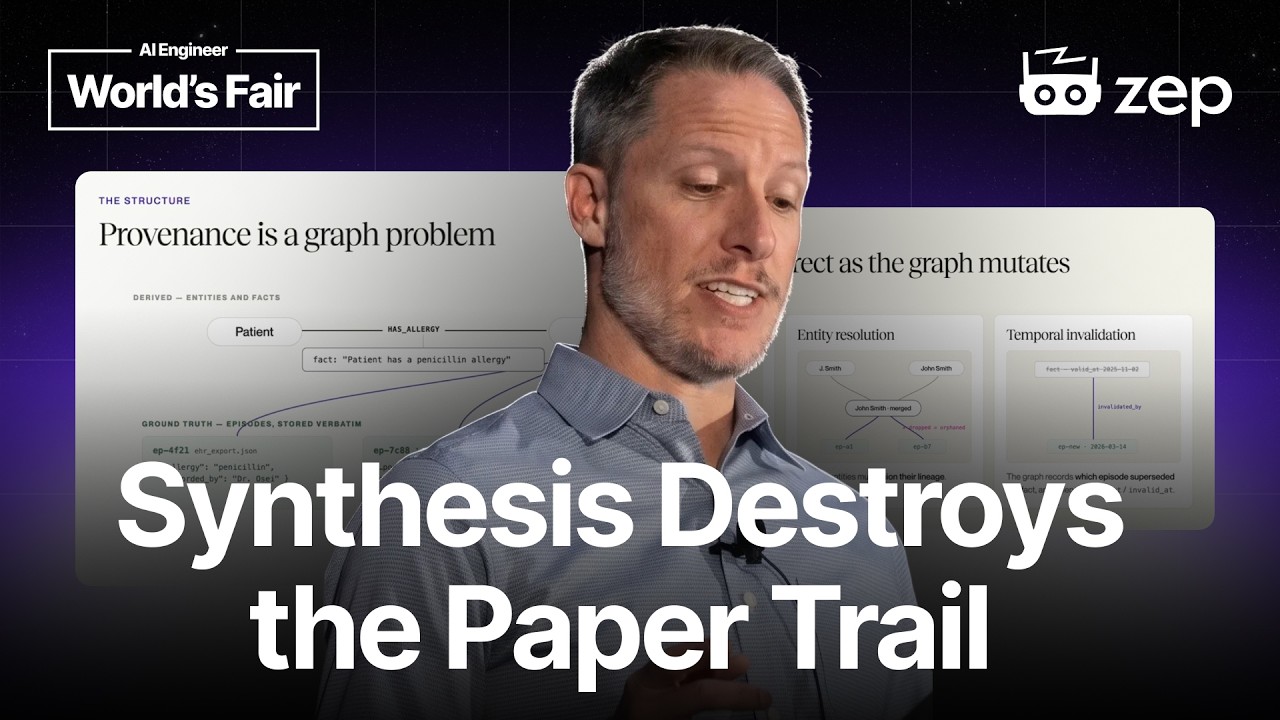
LLM synthesis destroys the paper trail. Learn how to build provenance into knowledge graphs using Graphiti, ensuring every derived fact can be traced back to its original source for compliance and debugging.
Read article
Local agentic theory proposes running AI entirely on the phone. This allows personalized gaming experiences that dynamically adjust difficulty and accessibility in real-time, moving beyond static toggles.
Read article
Video AI systems lack memory; this talk details building a durable 'memory layer' by treating video as a spatial temporal volume. The solution uses a Context Graph to enable deep reasoning over vast corpora.
Read article
LLMs are probabilistic; they need external, formal ontologies to act as logical guardrails. Neurosymbolic AI combines LLM power with structured logic (RDFS/OWL) for reliable agent behavior.
Read article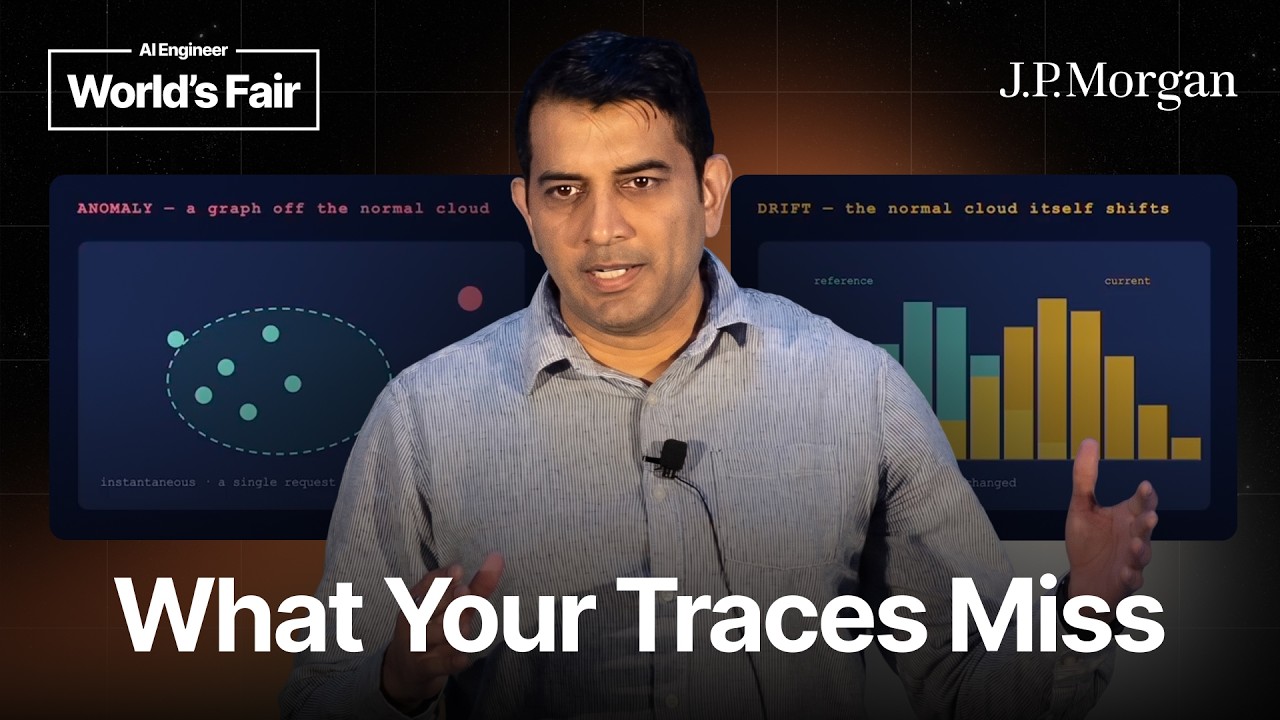
By modeling API requests as short-lived execution graphs (DAGs), we can detect silent skips, reorders, or performance deviations at a single node, cutting root cause analysis from hours to under 30 seconds.
Read article
The talk details designing LLM coaches that promote user agency by eliciting qualitative context and navigating uncertainty. Techniques include zero-shot Bayesian Adaptive Planning.
Read article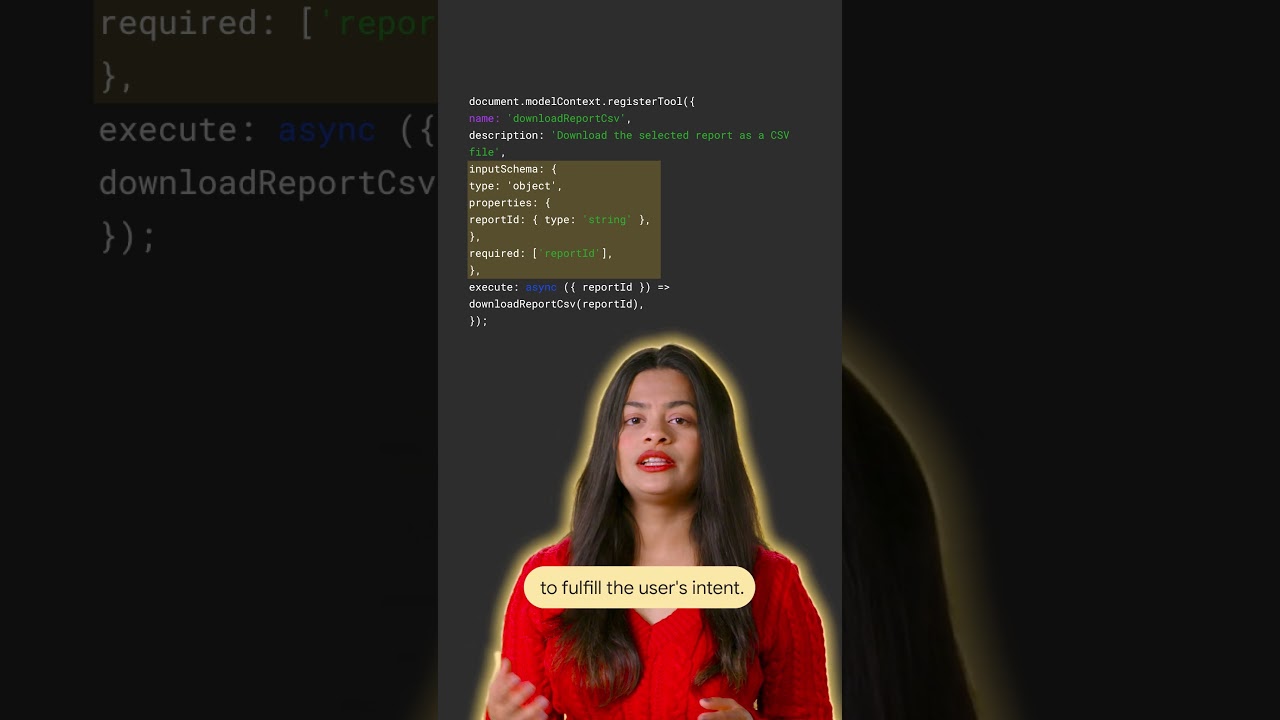
WebMCP allows sites to expose functional capabilities directly to AI agents by registering tools using plain JavaScript and defining explicit schemas, bypassing unreliable UI interpretation.
Read article