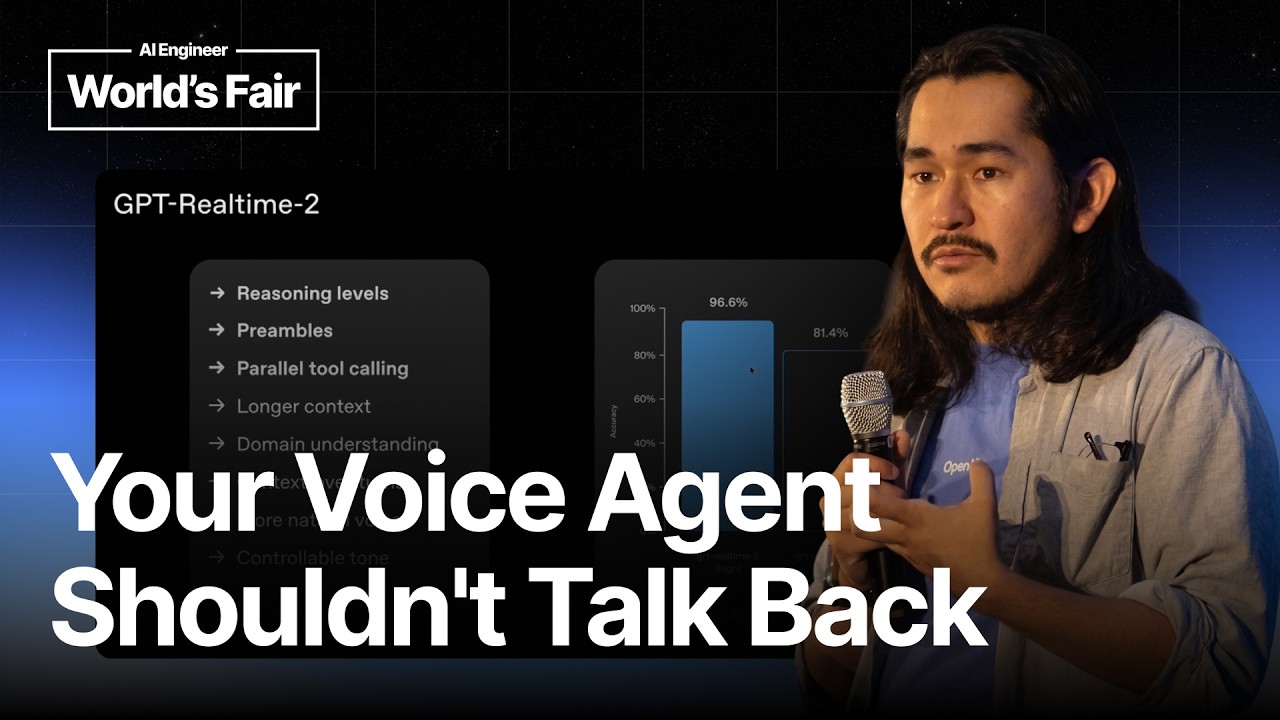
Voice Agents Can Just Do Things — Charlie Guo, OpenAI
Voice agents don't have to talk back. The key is understanding the three modes (Speech-to-Action, Event-to-Speech) and exposing your app's verbs as callable tools.
Read article
Voice agents don't have to talk back. The key is understanding the three modes (Speech-to-Action, Event-to-Speech) and exposing your app's verbs as callable tools.
Read article
Speech-to-Speech models are revolutionizing voice agents by moving beyond simple ASR/TTS chains. By leveraging natively multimodal pre-training, these models achieve a trifecta of conversational fluency, intelligence, and multimodality.
Read article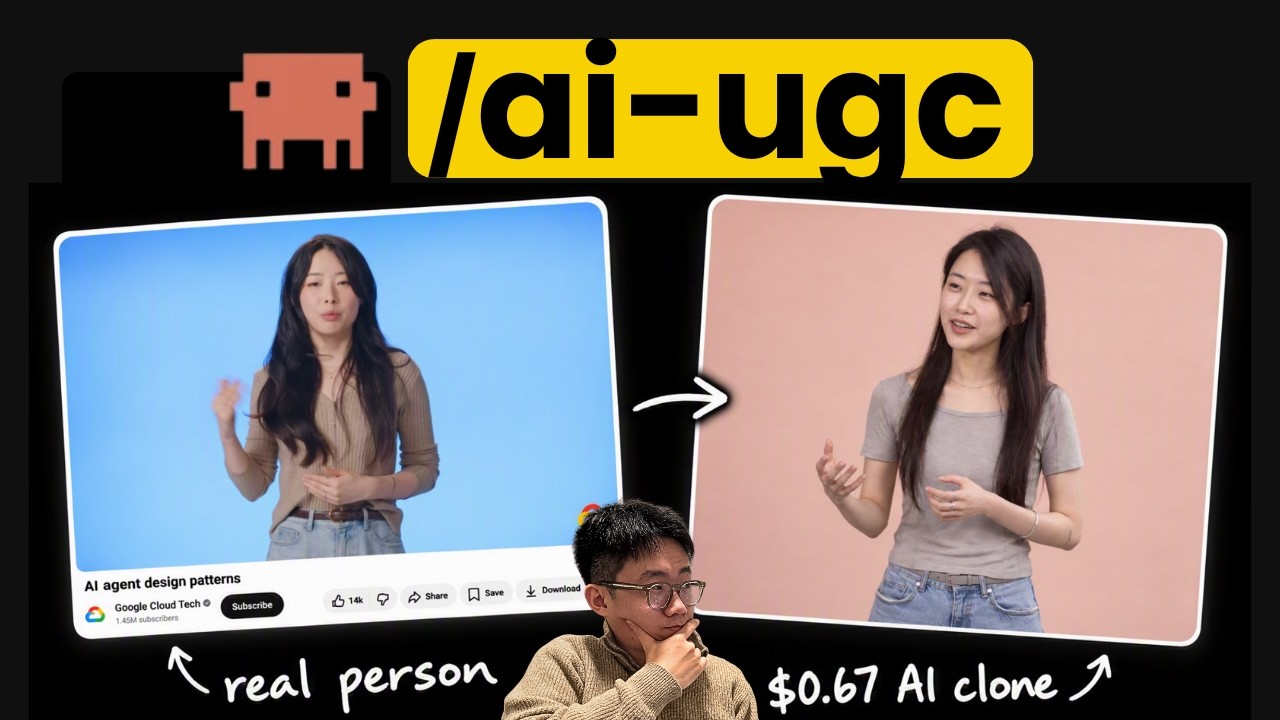
Learn how to automate hyperrealistic UGC content generation at scale. This guide covers everything from finding trending hooks to using advanced JSON prompting for character creation and video synthesis.
Read article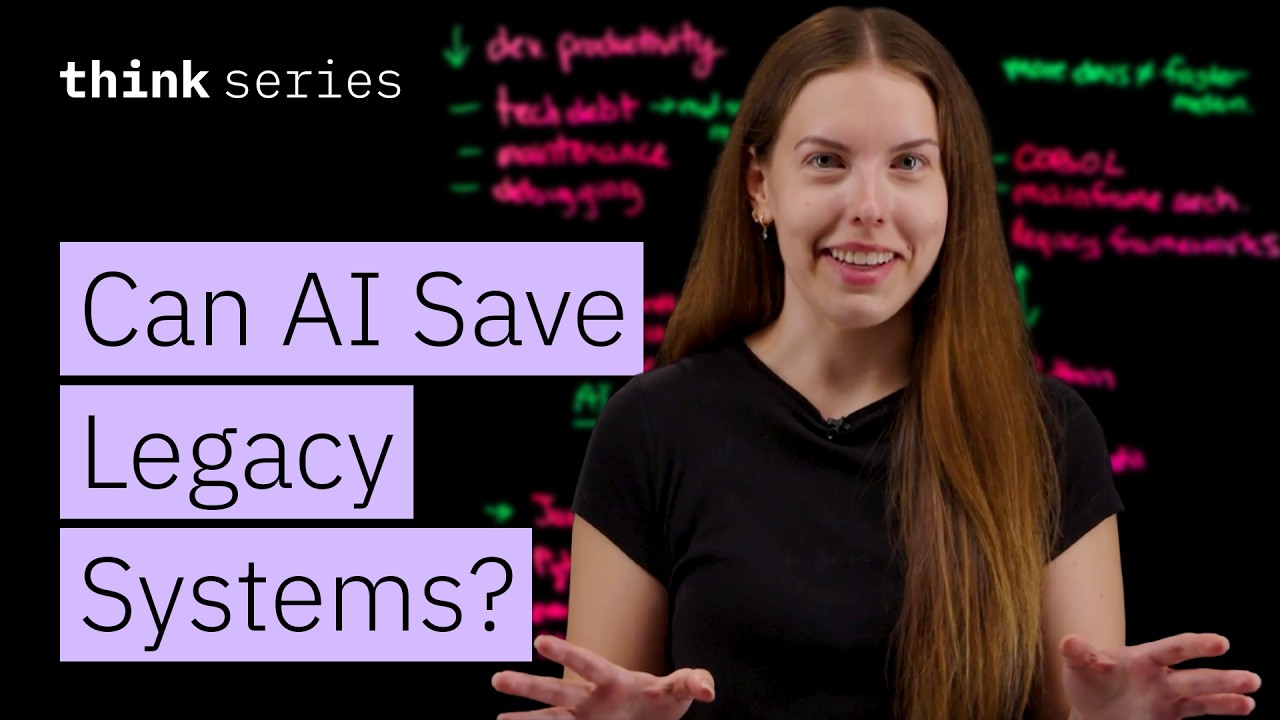
Learn how AI is accelerating the modernization of mission-critical legacy systems, translating old code (Cobol, Mainframe) into modern, scalable architectures.
Read article
Learn how NVFP4 compares to BF16 for Nemotron 3.5 Lightning. Discover how this low-precision format shrinks memory footprint and boosts inference speed without a major quality hit.
Read article
Building smarter voice agents requires managing complex challenges like subsecond latency, multi-party turn-taking, and user trust. The discussion contrasts structured healthcare flows with open networking interactions.
Read article
Agents are evolving from complex Python loops to declarative, file-based definitions. The new architecture uses a secure sandbox and server-side state management, allowing developers to focus on instructions and capabilities rather than orchestration code.
Read article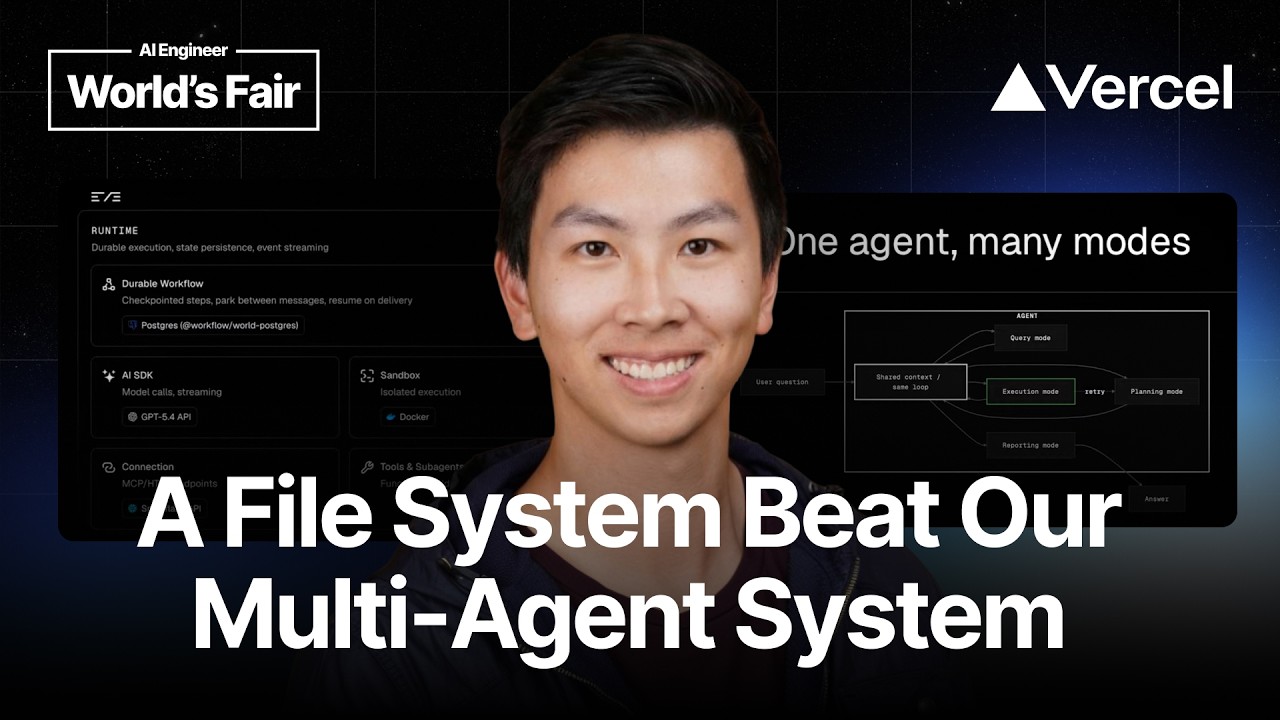
Andrew Qu details the evolution of agent building, moving from manual data queries to the file system unlock. He introduces Eve, a framework bringing Next.js conventions to agents, making it easier to build powerful, context-rich applications.
Read article
AI agents are powerful, but they are incomplete without a robust memory system. The database must serve as the central nervous system, unifying relational, graph, and vector data to ensure a single source of truth for enterprise context.
Read article
Learn how to deploy a Managed Deep Agent to Slack using LangSmith. This guide covers initialization, authorization, monitoring live traces, and customizing message triggers for production readiness.
Read article
Building agents is like shipping a 'malware starter pack.' Security requires deterministic layers, scanning the entire content supply chain, and ensuring the LLM acts only as an adviser, never an enforcer.
Read article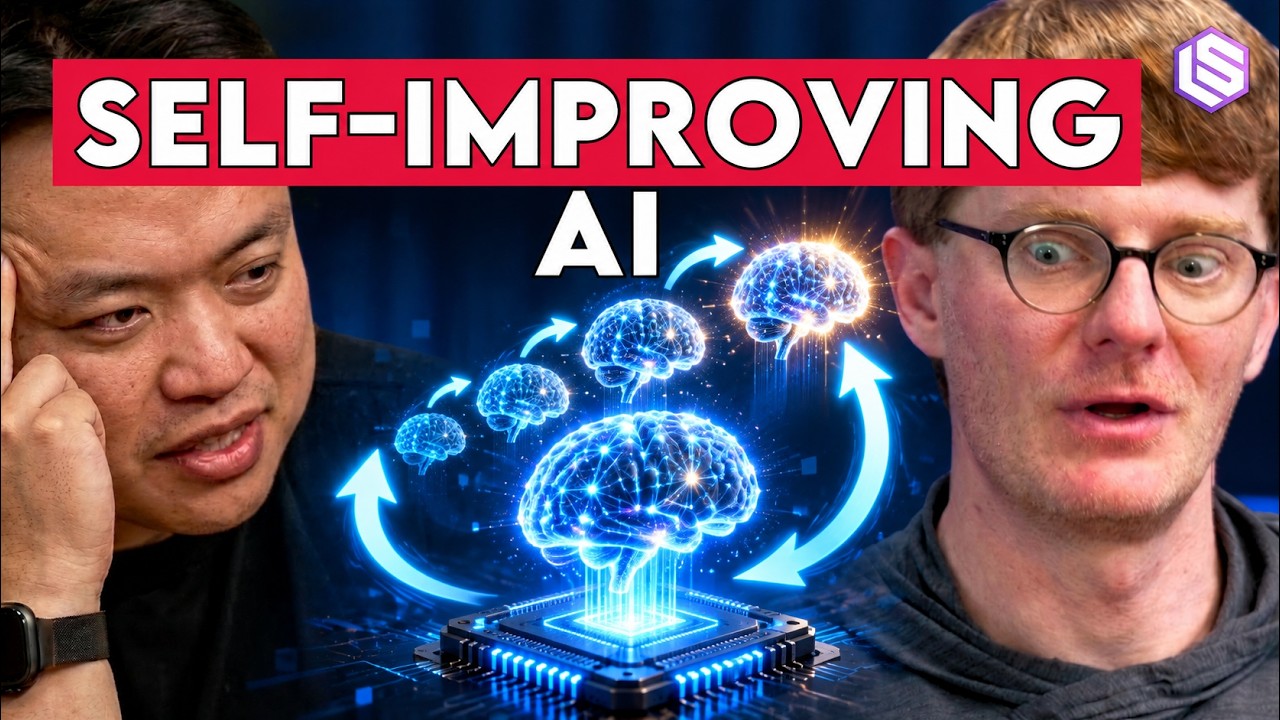
Richard Socher discusses the 'Eureka Machine,' a superintelligence that automates invention. He details the shift from manual feature engineering to self-improving AI, emphasizing hardware constraints and the critical need for robust alignment protocols.
Read article
Restate provides a durable foundation for building resilient agentic systems. It handles complex state management, recovery logic, and session isolation, allowing agents to survive crashes and long waits.
Read article
Learn about Harness Engineering: the architectural pattern for building scalable, production-grade AI agents. We discuss separating memory, tools, and runtime components for multi-tenant deployment.
Read article
AI News & Strategy Daily | Nate B Jones
The fight between Apple and OpenAI is over the user's 'working context.' Apple is leveraging new hardware (A20 Pro, iPhone Duo) and local AI to defend its ecosystem, while AI agents are building value by owning the user's workflow and data.
Read article
Anthropic proposes that tokens should have jobs, not just be spent on execution. By implementing strategies like Advising, Grading, and Dreaming, agents can achieve superior reliability and efficiency within a fixed budget.
Read article
Model selection is a 3D problem (performance, cost, speed). To accurately benchmark agents, focus on five specialized tests: Terminal-Bench, APEX Agents, AutomationBench, AA-Omniscience, and DeepSWE.
Read article
AI accelerates code generation, but security requires a 'shift-left' approach. Learn five key principles for securing AI-assisted development, focusing on outcome validation and dependency integrity.
Read article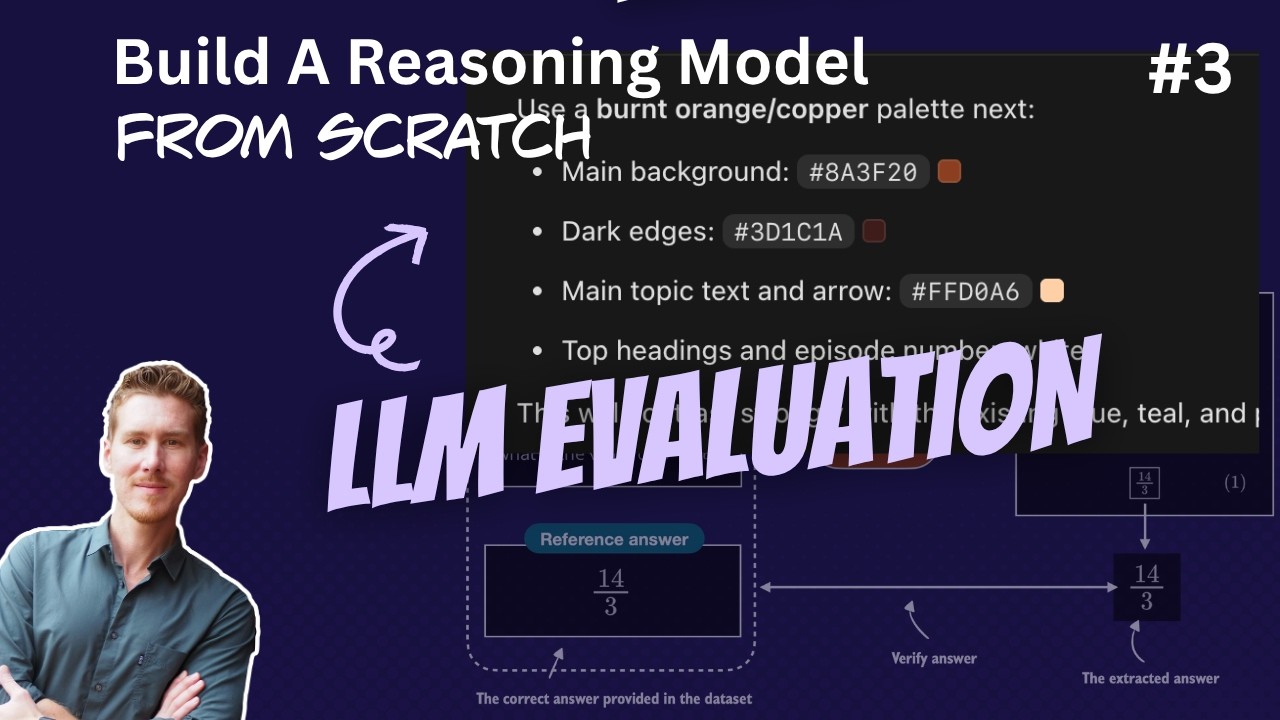
The video details building a verifier for LLM evaluation on math benchmarks. This robust pipeline involves extracting the final answer, normalizing the format, and using symbolic math libraries like sympy to verify mathematical equivalence for RL training.
Read article
AI News & Strategy Daily | Nate B Jones
The AI arms race is a misconception. Intelligence is becoming ambient and open-source, shifting value from massive data centers to specialized, portable models running on consumer hardware.
Read article