Topic

Google Antigravity

All digests tagged Google Antigravity

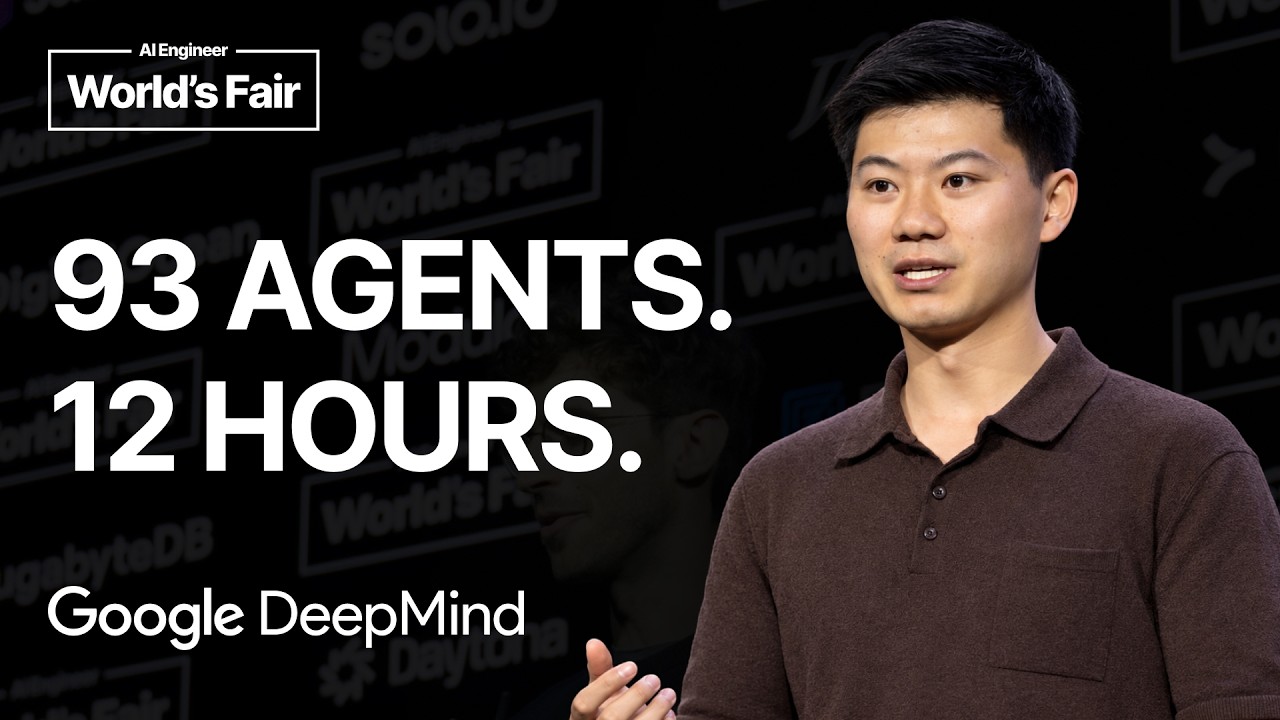
Agents Built an OS Kernel That Runs Doom — Kevin Hou, Google DeepMind thumbnail

· 19:01

Agents Built an OS Kernel That Runs Doom — Kevin Hou, Google DeepMind

Kevin Hou details the evolution of agentic coding tools, introducing Antigravity 2.0, Google's agent coding product. The core principle is 'scaling with intelligence,' meaning product primitives must evolve as LLMs improve. The future (2026 era) is defined by 'agent teams' or 'swarms,' which are powered by three new primitives: dynamic subagents, sidecars, and generative UI. These tools allow for complex, parallelized tasks, demonstrated by building an entire OS kernel that runs Doom using 93 subagents in 12 hours.

Key takeaways

  1. The Agentic Evolution 5:20

    Coding tools have progressed from deterministic autocomplete (2022) to agent-based systems (2024) and parallel agent managers (2025). The next phase (2026) is focused on agent teams/swarms, which decouple the IDE from the agent manager for greater flexibility.

  2. The Three Core Primitives 10:25

    The future of agent teams relies on: 1) Dynamic Subagents (specialized, parallel roles); 2) Sidecars (a new plugin protocol for listening to external triggers like webhooks or cron jobs); and 3) Generative UI (rendering interactive UIs on the fly, bypassing fixed templates).

  3. Demonstrated Capability 18:10

    Antigravity successfully built a complete OS kernel from scratch and ran Doom. This feat required 93 subagents over 12 hours, utilized 2 billion tokens, and cost under $1,000.

Watch on YouTube Full article

What is Gemini 3.7 Flash? thumbnail

· 0:47

What is Gemini 3.7 Flash?

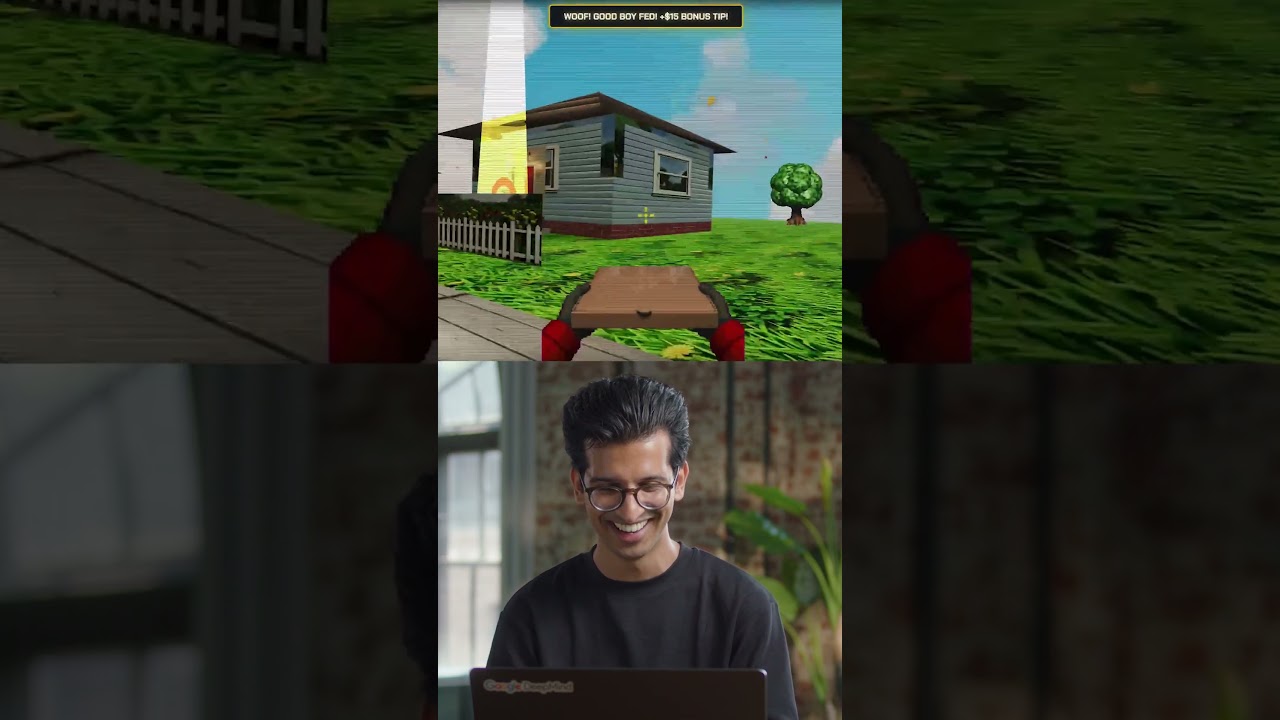
The video demonstrates the use of Gemini 3.7 Flash, described as an intelligent 'workhorse model,' for rapid game prototyping and development within Google Antigravity. The speaker showcases generating a detailed, playable animated sprite-based game (a 'pizza rush' concept) from a single prompt, highlighting the model's ability to generate complex initial codebases that can be extended for features like multiplayer functionality.

Key takeaways

  1. Gemini 3.7 Flash Capabilities

    The model is positioned as an intelligent 'workhorse' for coding and agents, capable of generating detailed, playable games from initial prompts (e.g., a pizza rush game).

  2. Code Quality Improvements 0:15

    Beyond gaming, the model shows improvements in shipping quality code across debugging, web development, and overall design adherence.

Watch on YouTube Full article

Introducing Gemini 3.7 Flash thumbnail

· 2:33

Introducing Gemini 3.7 Flash

Gemini 3.7 Flash is introduced as a highly capable 'workhorse model' optimized for coding and agent-first workflows. The video demonstrates its power by building complex, animated sprite-based games within Google Antigravity, showcasing the ability to generate assets (using Nano Banana Pro) from single prompts. A key feature highlighted is the model's capacity for radical concept remixing—adapting an entire game world (e.g., from 'sorcerers' to a 'pizza delivery driver') with minimal prompt changes.

Key takeaways

  1. Agent-Driven Game Prototyping 0:15

    The model successfully generates assets and builds an entire game level (e.g., 90s animated sprite game) from a single prompt within Google Antigravity, demonstrating high design adherence.

  2. Concept Remixing Capability 1:05

    The model can adapt an entire game's look and feel to a completely different concept (e.g., changing the theme from sorcerers to a suburban pizza delivery driver) by modifying only a few words in the prompt.

  3. Model Improvement Areas 1:45

    Gemini 3.7 Flash shows improvements across debugging, web development, and overall design adherence, resulting in higher fidelity builds with less back-and-forth iteration.

Watch on YouTube Full article