
We Scored Oracle's Database Skill Live: 95% Isn't Enough
Learn how Oracle built an AI skill to enforce database best practices, improving SQL generation from 95% to 100% success rate using automated reviews and iterative refinement.
Read articleChannel
Digests from AI Native Dev
Learn how Oracle built an AI skill to enforce database best practices, improving SQL generation from 95% to 100% success rate using automated reviews and iterative refinement.
Read article
The shift to AI-native development is more dramatic than Cloud/DevOps, requiring new guardrails. Key focus areas include deterministic linting, advanced observability stacks, and harness engineering to manage agent-driven complexity.
Read article
Learn how Tessl's Dark Factory ships 70% of its code autonomously using AI agents, sophisticated verifiers, and a robust orchestration layer.
Read article
Harness engineering is a discipline focused on building automated loops of checks and maintenance agents to delegate more work to AI. This process involves improving three dimensions: autonomy, automation, and quality.
Read article
Moving beyond simple output checks, effective AI agent evaluation requires measuring trajectory and skill activation. Learn how structured context improves code quality metrics like PR throughput and adherence to unique business IP.
Read article
AI adoption shifts bottlenecks from coding speed to coordination and alignment. Success is measured by the merge rate of PRs opened by non-technical users, proving that empowering decision-makers is key.
Read article
AI assistance is rather like the compiler. We're not going to care for very much longer at all if we do now about the code that it generates cuz we'll verify that we got the results.
Read article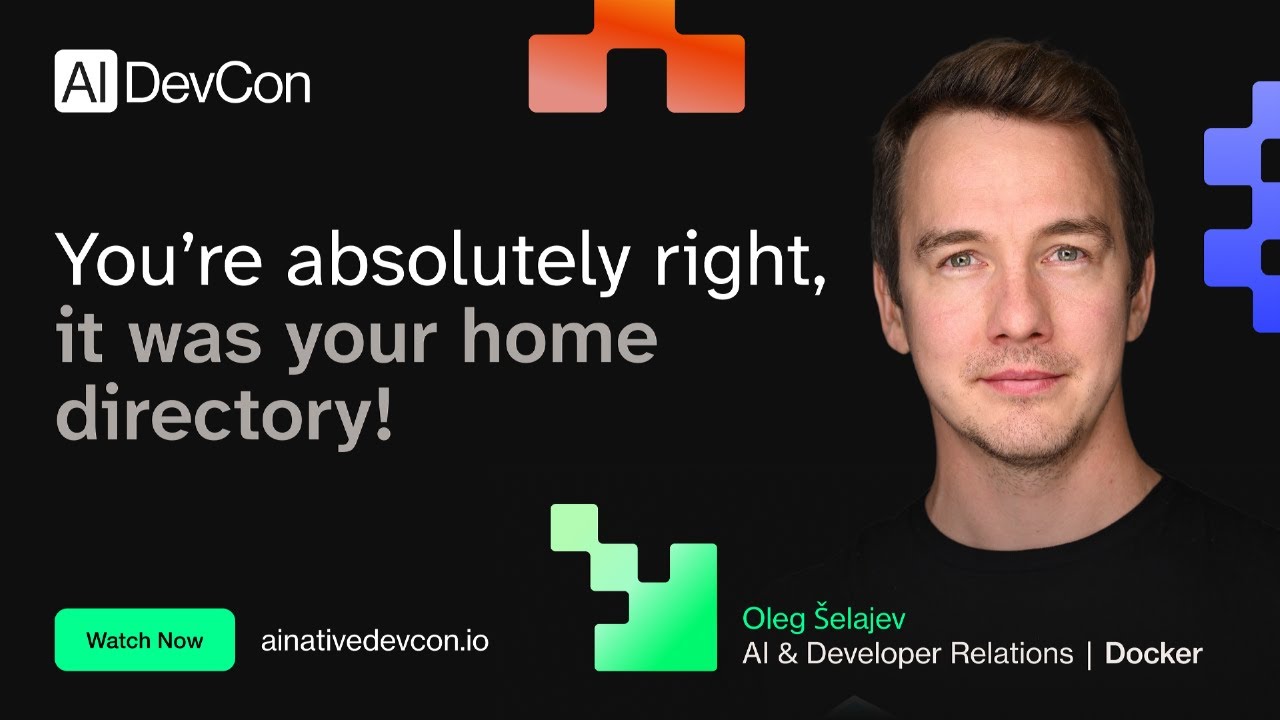
Docker introduces sandboxing using MicroVMs to safely run autonomous AI agents locally. This hardware-level isolation prevents rogue agents from accessing sensitive host data, balancing speed and security.
Read article
AI agents require a 'data harness' optimized for conversational pace. This requires combining open standards (Iceberg, Arrow) with a semantic layer to ensure data is accessible, understandable, and performant.
Read article
Discover how to build self-healing AI agents by capturing every interaction trace. Learn about Merkle DAGs, Flink SQL anomaly detection, and using proprietary data for specialized model fine-tuning.
Read article
This session unpacks the security risks of AI coding agents, detailing how 76 malicious skills were found. Learn about prompt injection, secure registries (Tessl), and Snyk’s approach to governing agent behavior at scale.
Read article
Discover how to build a 'One Brain' using AI agents and structured vaults. Learn about OpenClaw, semantic search, and transforming fragmented organizational knowledge into actionable insights.
Read article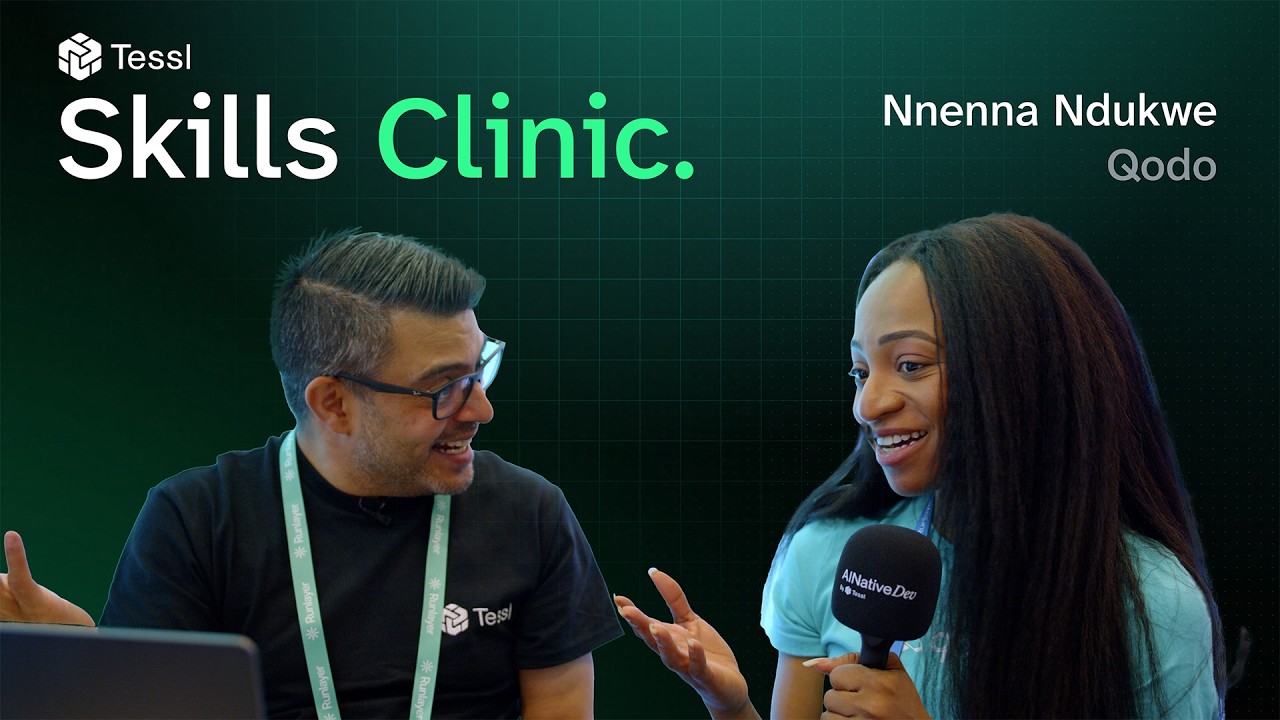
Learn how to optimize AI agent skills using automated reviews. We analyze Qodo's PR Resolver skill, boosting its score from 78% to 89% by refining metadata and structure.
Read article
Discover spec-driven development using SysML use cases and entity models as the single source of truth for enterprise applications. Learn how to modernize legacy systems by shifting complexity left into requirements engineering.
Read article
The talk outlines how building robust AI agents requires moving beyond simple LLM calls. Key guardrails include whitelisting tools, using Knowledge Graphs over RAG, and enforcing structured citations.
Read article
The rise of AI agents is flooding open-source projects with 'slop'—low-quality, unvetted code. Maintainers must implement new guardrails like requiring issues first and using automated systems to manage contributions.
Read article
Learn how to build collective intelligence by turning agent mistakes into reusable, attributable knowledge. The process involves Identity $\rightarrow$ Diary $\rightarrow$ Knowledge Pack.
Read article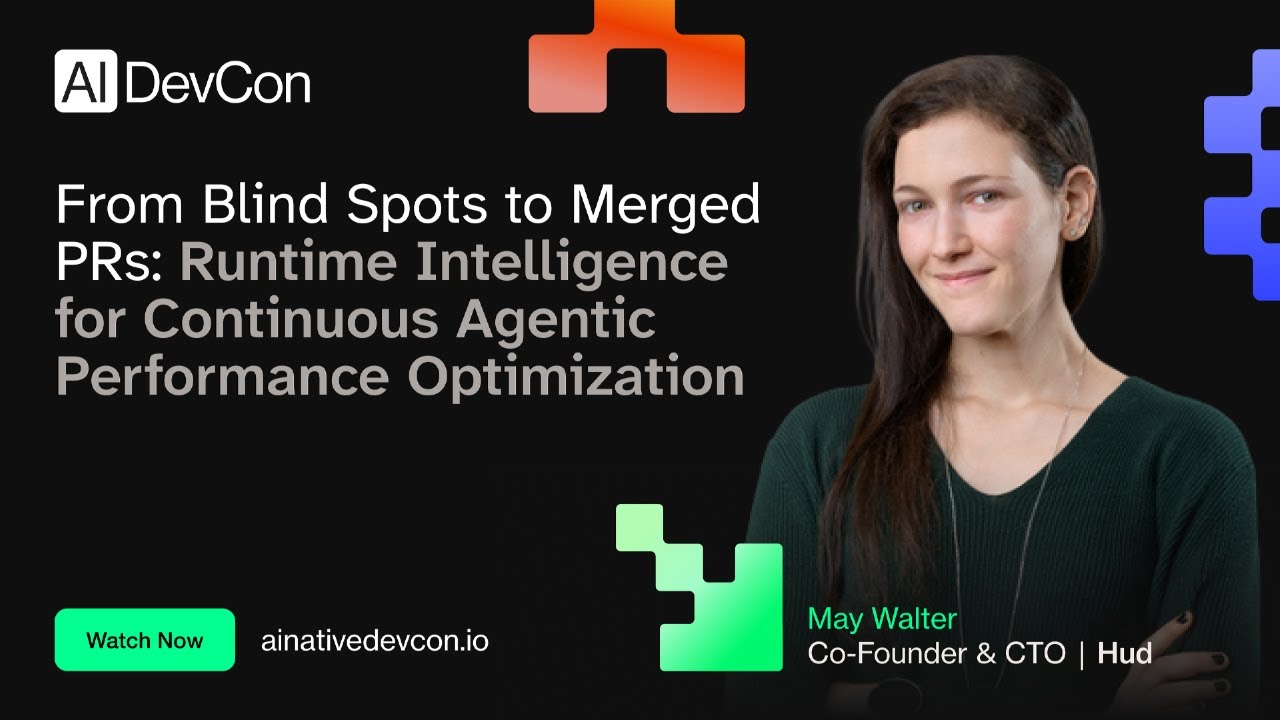
May discusses adding runtime intelligence to coding agents, enabling continuous performance optimization by analyzing production context. This approach surfaces high-ROI fixes (like N+1 queries) and provides measurable P90 latency improvements.
Read article
Odevo shares its AI-native transformation journey, detailing how adopting agentic coding requires fundamental process changes—not just licenses—to achieve massive gains in software delivery speed.
Read article
CQ (Stack Overflow for agents) standardizes knowledge sharing across AI agents. It allows lessons learned from solving novel problems to be captured as Knowledge Units (KUs), preventing repeated mistakes in automated workflows.
Read article