The AI Content System Behind 200M Views — Sarah Chieng, Cerebras & Cova Lee, OpenAI
Summary
This session outlines an agent-powered, six-stage system for content creation, designed to automate tedious tasks and allow creators to focus on the 'craft' and unique point of view (POV). The workflow spans ideation, scripting, recording, editing, repurposing, and publishing. Key technical takeaways include leveraging advanced LLMs (like GPT 5.6) for high-speed processing, building custom research tools, and utilizing APIs (e.g., Hyperframes) to automate complex video editing and captioning processes.
Key takeaways
-
The Six-Stage Content System
Content creation is structured across six stages: ideating, scripting, recording, editing, repurposing, and publishing. This systematic approach ensures consistency and efficiency.
-
Systemizing Content with Agents
The most effective content creation involves building custom tools and agents (e.g., YouTube research tools, design system generators) to understand the desired output and automate repetitive tasks, rather than relying on manual effort.
-
The Importance of POV and Craft
The ultimate goal of AI tools is not to generate content, but to automate the tedious work, allowing the creator to maintain a strong, unique personal POV and treat content creation as a craft.
-
Process Review and Optimization
A critical step is regularly reviewing one's own content creation process using AI skills to identify inefficiencies, repetitive tasks, and areas for automation (e.g., optimizing Premiere MCPs).
Technical details
-
AI Model Utilization
0s
The workflow utilizes advanced models like GPT 5.6 (a model inside Codex ChatGPT powered by Cerebras), which boasts a high processing speed of 750 tokens per second, making it efficient for processing large scripts and files.
-
Ideation and Research Tools
0s
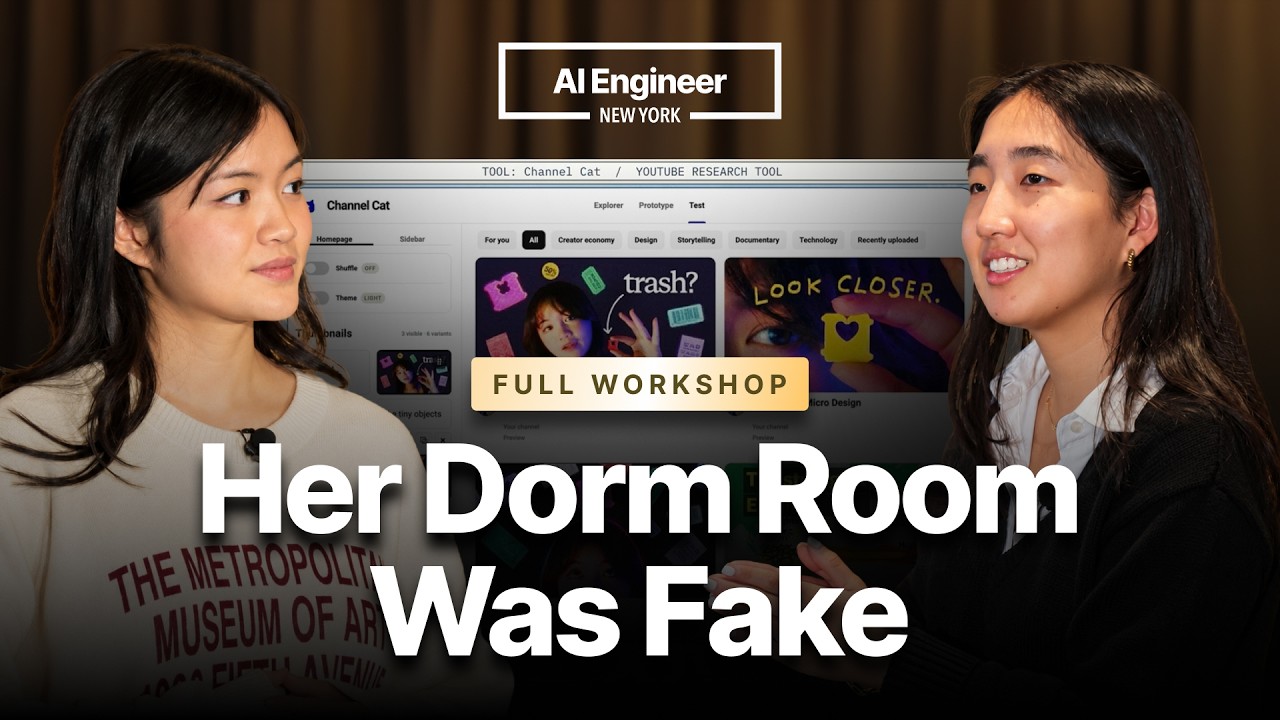
Custom research tools can be built using agents to analyze platforms (e.g., YouTube) by pulling thousands of videos and simulating homepage performance to identify content outliers and improve packaging (titles/thumbnails).
-
Scripting and Voice Cloning
0s
Scripts can be refined using voice-based prompting (e.g., 'Interview me about this idea') to ensure the content feels educational rather than purely marketing. Voice cloning/script skills can be built to maintain a consistent personal tone.
-
Automated Editing and Design
0s
APIs and tools like Hyperframes allow for automated video editing, rendering, and captioning. Furthermore, design systems can be generated by feeding an agent a corpus of existing content (e.g., 50 Instagram videos) to establish a consistent visual brand.
-
Asset Management and Workflow
0s
Organizing assets (A-roll, B-roll, screen recordings) is crucial. Tools like Astro are noted for their capability in computer use within professional editors (Premiere, DaVinci), and Notion/ChatGPT connectors can centralize all scripts and references.
Mentioned resources
- Cerebras AI
- OpenAI
- Swyx's swipe file strategy
Channel & topics
Watch on YouTube · Back to latest
This independent, AI-assisted summary is provided for commentary and informational purposes. It may contain errors or omit important context. Please watch the original video for the creator's complete presentation. Video, thumbnail, and related copyrights belong to their respective owners.